


Zhen Ding Resources stock analysis
Want to see RBTK full AI Analyst Report?
Zhen Ding Resources (RBTK) Stock Price & Analysis
RBTK Stock Chart & Stats
- Day’s Range
- $0.51 - $7.98
- 52-Week Range
- $0.51 - $55.00
- Previous Close
- $7.98
- Volume
- N/A
- Average Volume (3M)
- 0
- Market Cap
- $885.52M
- Enterprise Value
- $693.72M
- Total Cash (Recent Filing)
- $25.97K
- Total Debt (Recent Filing)
- $154.50K
- Price to Earnings (P/E)
- ―
- Beta
- -7.97
- Next Earnings
- Nov 18, 2026 (Est.)
- EPS Estimate
- N/A
- Next Dividend Ex-Date
- N/A
- Dividend Yield
- N/A
Bulls Say, Bears Say
Bulls Say
Recent Cash-flow Improvement
Positive operating and free cash flow in 2025 and the latest trailing period indicates some improvement in the company’s ability to fund activities internally. If sustained, this could reduce dependence on external financing, although the broader cash-flow record remains uneven.
Debt Reduction
The reduction in total debt provides a modest improvement in financial flexibility and could lower balance-sheet pressure over time. This is a constructive direction for solvency, even though leverage remains elevated relative to the company’s small asset base and negative equity.
2025 Net-income Improvement
Positive net income in 2025 shows that the company can produce earnings under some conditions after several years of losses. This offers a potential foundation for recovery, but the improvement is not yet dependable because operating profit remained negative and TTM results reverted to a large loss.
Bears Say
Deeply Negative Equity
Persistently deeply negative equity is a major solvency concern because liabilities exceed reported assets and reduce the company’s financial buffer. It limits flexibility to absorb further losses, fund operations, or pursue growth without relying on additional balance-sheet support.
Minimal Revenue And Recurring Losses
Minimal revenue prevents meaningful operating leverage and makes the business model difficult to assess as a sustainable earnings operation. Repeated annual losses, followed by a renewed large TTM loss, indicate that the 2025 profit did not establish a reliable profitability trend.
Volatile Cash Generation
Large year-to-year swings between negative and positive cash flow weaken confidence that recent improvement will persist. Sharply negative TTM free-cash-flow growth also signals limited durability, making funding capacity and ongoing financial planning less predictable.
Zhen Ding Resources News




RBTK FAQ
What was Zhen Ding Resources’s price range in the past 12 months?
What is Zhen Ding Resources’s market cap?
When is Zhen Ding Resources’s upcoming earnings report date?
How were Zhen Ding Resources’s earnings last quarter?
Is Zhen Ding Resources overvalued?
Does Zhen Ding Resources pay dividends?
What is Zhen Ding Resources’s EPS estimate?
How many shares outstanding does Zhen Ding Resources have?
What happened to Zhen Ding Resources’s price movement after its last earnings report?
Which hedge fund is a major shareholder of Zhen Ding Resources?
What is the TipRanks Smart Score and how is it calculated?
Zhen Ding Resources Stock Smart Score
Company Description
Zhen Ding Resources
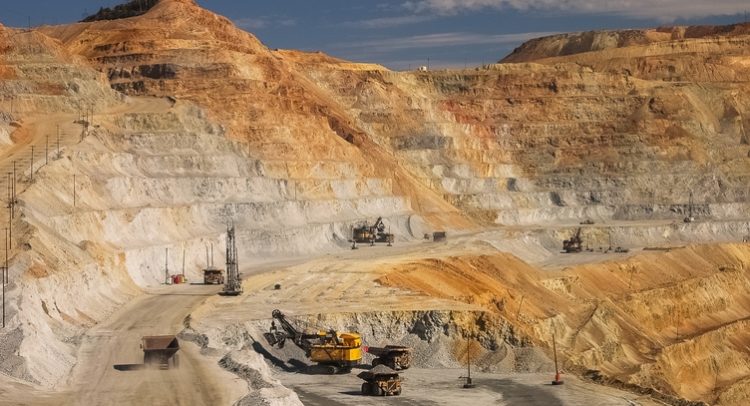
Zhen Ding Resources Inc. primarily focuses on refining metallic ores. The company distributes concentrated forms of precious metals like gold and silver, along with base metals such as lead, zinc, and copper. Additionally, it possesses exploration and mining rights for minerals, including gold, at a site located in the southwestern area of China's Anhui Province. Established in 1996, the firm's headquarters are situated in Brossard, Canada.
- Sector
- Basicmaterials
- Industry
- Gold
- CEO
- Victor Sun
- Employees
- 2
- Website
- www.zhendingresources.com
- Address
- 99 Ave De La Moselle, Saint-Lambert, QC, J4S 1W9, CA
Zhen Ding Resources (RBTK) Earnings & Revenues
Technical Analysis
Overall Consensus
| Indicator | Bullish | Neutral | Bearish |
|---|---|---|---|
| Overall Consensus | 13 | 1 | 5 |
| Technical Analysis | 3 | 1 | 3 |
| Moving Averages | 10 | 0 | 2 |
